Blog Article
Peak Season Performance: What Should Your Landscaping Company Be Doing During Peak Growing Season?
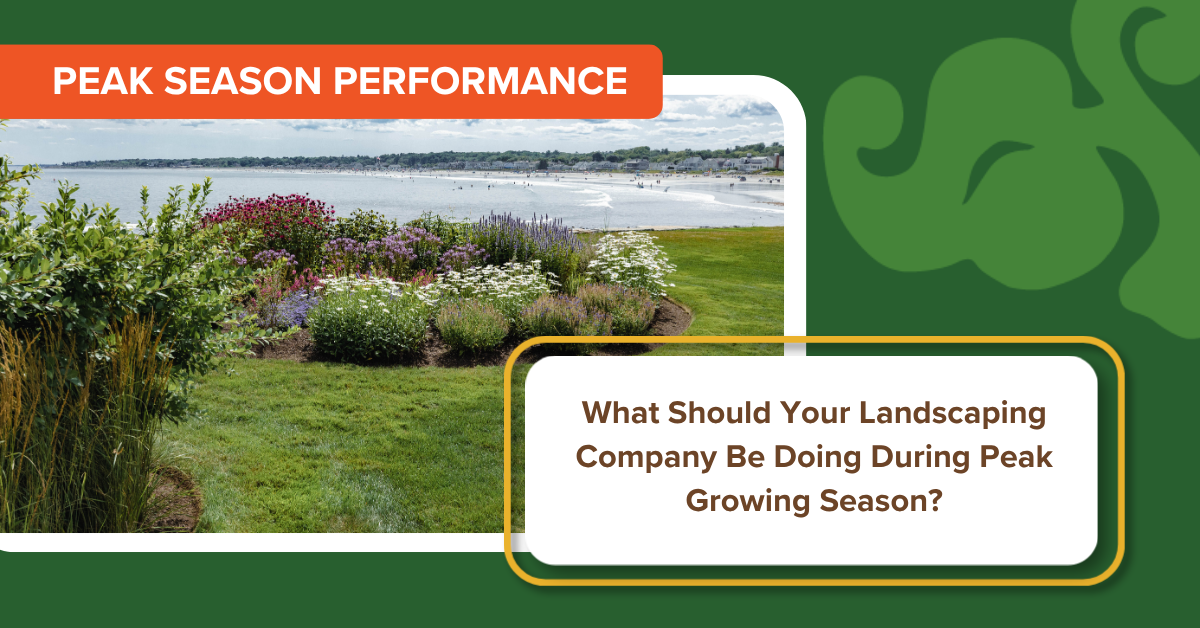
During peak growing season, your property needs more than weekly mowing to stay healthy and look its best. This is when turf and plant care, irrigation, and maintenance practices have the biggest impact on your landscape’s ability to survive and thrive through the heat, rain, or drought of the summer months. As plants and trees put out new growth, irrigation demands increase, and pests and diseases become more active, proactive care is critical.
Going Beyond the Mow
Mowing is just one part of seasonal landscape care. During the growing season, your landscaping partner should be keeping turf healthy, plants protected, and problems from developing. This may include:
- Regular turf health monitoring
- Pruning on the right cycle
- Plant inspections for stress, pests, and disease
- Irrigation checks to confirm proper coverage and efficiency
- Ongoing cleanup to keep beds, edges, and hardscapes looking good
Healthy Turf Starts Below the Surface
A lawn that’s regularly mowed can still be struggling beneath the surface. Compaction, thatch buildup, poor soil nutrition, and uneven watering determine how your turf performs during the summer—and how well it recovers in the fall. Turf care should focus on:
- Proper mowing height and frequency to support root health
- Monitoring for heat or drought stress
- Watching for thinning areas, pests, and fungal issues
- Soil compaction and turf density
- Adjusting care based on the weather
Pruning: Timing Is Everything
Many property owners think of pruning as a one-time spring task, but not all plants should be pruned on the same schedule. Over-pruning or pruning at the wrong time can set back growth, invite disease, or unintentionally prevent blooming. A knowledgeable landscaping team will prune strategically to maintain shape, improve airflow, and remove anything damaged or diseased. This could mean:
- Deadheading flowering shrubs to extend bloom cycles
- Shaping shrubs and ornamentals before they become overgrown
- Reducing overcrowding and improving air circulation
- Pruning back overgrowth
Plant Monitoring: Catching Problems Early
Plants under stress don’t always send obvious signals, at least not right away. Without monitoring, heat, inconsistent rainfall, humidity, insects, and disease can affect plant health quickly. Early intervention often makes the difference between simple treatment and the loss of a valuable landscape investment. Routine landscape inspections will detect early warning signs like:
- Yellowing, browning or spotting foliage
- Wilting or abnormal growth patterns
- Insect activity and feeding damage
- Signs of fungal disease
- Branch dieback or declining plant vigor
Irrigation Checks: Smarter Watering
An irrigation system that worked fine in May may not be performing optimally in July. Equipment wear and tear, as well as seasonal shifts in sun exposure, plant size, and dry spells can all affect efficiency. An irrigation audit helps ensure:
- Proper coverage throughout the property
- Reduced water waste
- Early detection of leaks or damaged components
- Updated controller programming for current conditions
- Detection of drainage issues or dry spots
Pest and Disease Prevention: Stay Ahead
By the time visible damage appears, pests and diseases may already be well established. Deer browsing damage, tick and mosquito activity, and turf diseases caused by heat or humidity are all concerns that should be addressed early. Proactive monitoring, not just reactive treatment, is what keeps small problems from becoming costly ones. Peak-season prevention includes:
- Regular checks for insect activity, egg masses, and feeding damage
- Early identification of fungal and bacterial issues
- Targeted treatment before insect populations or infections spread
- Soil health support to improve plant resistance
Local Expertise Matters
Every landscape faces unique challenges depending on its location. Coastal properties contend with salt exposure, wind, and sandy soils. In the Lakes Region, fluctuating water levels, wooded lots, and varying terrain can impact maintenance needs. And across greater Maine, changing weather patterns and diverse site conditions require an adaptable approach.
For nearly 50 years, Piscataqua Landscaping & Tree Service has helped residential and commercial property owners throughout the New Hampshire Seacoast, Lakes Region, and Maine protect and enhance their landscapes. Our team understands the nuances of New England growing conditions and how they vary from one region to the next. That local knowledge matters—helping us anticipate challenges, make informed recommendations, and provide proactive care that keeps landscapes healthy season after season.
Communication Is Key
One of the most important services landscapers can provide during peak season is good communication. A strong partner should keep property owners informed about what they’re observing, not just what they’ve completed. Clear communication keeps expectations aligned and gives clients confidence that their property is being managed proactively, not reactively. Expect:
- Honest assessments of what’s thriving and what isn’t
- Recommendations for irrigation adjustments
- Updates on turf, plant, or tree health concerns
- Alerts about pests or diseases
- Recommendations for improvements or adjustments
- Clear documentation of services performed
Piscataqua Landscaping & Tree Service: A Better Standard of Care
Peak growing season is when professional landscaping shows its true value—and your property should reflect that level of care. Mowing may be the most visible service, but it’s the work happening behind the scenes that protects the beauty, health, and long-term value of your landscape.
At Piscataqua, we know that exceptional landscapes require exceptional attention to detail. That’s why our full-service approach includes proactive maintenance, ongoing monitoring, irrigation management, plant health care, and strategic communication. Our team works throughout the growing season to protect the health, beauty, and long-term value of your property, so you can enjoy a landscape that performs at its best all year long.
Ready to get more out of peak season? Discover the difference a proactive landscaping partner can make. Schedule a consultation